Burnout, when success stops feeling like enough
Burnout is a measurable response to chronic overload, not a personal failing.
Here I set out what is happening beneath the exhaustion,
and the structural changes that help you recover from it.

What Is Burnout?
The World Health Organisation classifies burnout in the ICD-11 as an occupational phenomenon, resulting from chronic workplace stress that has not been successfully managed. Psychologist Christina Maslach identified three dimensions that define the experience.
It is a structural problem tied to environment and workload, not a diagnosable medical or psychiatric condition on its own. When targets grow and pressure builds, the margin for anything to feel worthwhile keeps shrinking.
Exhaustion
Deep energy depletion that rest alone does not fix
Cynicism
Growing mental distance from the work itself
Reduced Efficiency
A sense of doing the job less well than before
How to recognise it, the symptoms you cannot ignore
Physical signs
- Persistent fatigue that survives a full night’s sleep
- Gastrointestinal problems and recurring headaches
- High blood pressure and weakened immune response
- Catching every cold that goes around the office
Mental signs
- Brain fog and difficulty focusing on simple tasks
- A sudden lack of patience or empathy for others
- Dread building around ordinary daily routines
- Feeling flat even when something goes well
It is Important to distinguish, if this is burnout, or something more?
Energy returns on holiday
Likely burnout, tied to the environment
Heavy feelings persist
Worth discussing with a professional
Chronic workplace stress and major depressive disorder share many symptoms, so telling the two apart matters for choosing the right kind of support. A depressive disorder affects every area of life. Occupational burnout is tied specifically to environment and responsibilities.
Reduced Efficiency
The Cleveland Clinic’s vacation test: take a genuine two week break. If energy and mood return, the environment was the problem. If the heavy feelings travel with you, that points toward depression, and is worth raising with a doctor or therapist.
Not all exhaustion looks the same – The four types of burnout

Overload
Working harder in a frantic pursuit of success, at the cost of health, sleep and relationships

Under-challenged
Boredom and frustration from a role with no room for growth or strategic thinking

Neglect
Helplessness from unclear expectations, often looking like quiet disengagement

Compassion fatigue
Absorbing others’ emotional needs, common among carers, clinicians and therapists
When the strain comes from home
Most literature centres on the workplace, but exhaustion outside of it is just as real. Parenting, caring for an ageing relative or managing complex finances can trigger the same physiological response as a demanding job. Relentless demands at home, without support or recovery time, wear down the nervous system in exactly the same way a difficult manager would.
A flat mood at work paired with energy for hobbies and relationships often points to a work-specific issue. Exhaustion covering every part of life usually means home is the primary drain.

The Wheel of Life
- Work
- Energy
- Relationships
- Finance
- Direction
- Personal Fulfilment
What’s driving it, and what to say
The Mayo Clinic points to a lack of control over your schedule, unclear expectations, workplace bullying and extremes of activity as common triggers. A chaotic environment and a painfully boring one wear down resilience in equal measure. No amount of mindfulness fixes a genuinely toxic workplace on its own.
“I want to ensure my output aligns with our top priorities. Can we map out my core deliverables for this quarter and pause the secondary tasks?”
“I do my best deep work in the mornings. I would like to block 9 to 11am for focused project work. How can we make this work for the team?”
HOW ASCEND COACHING HELPS
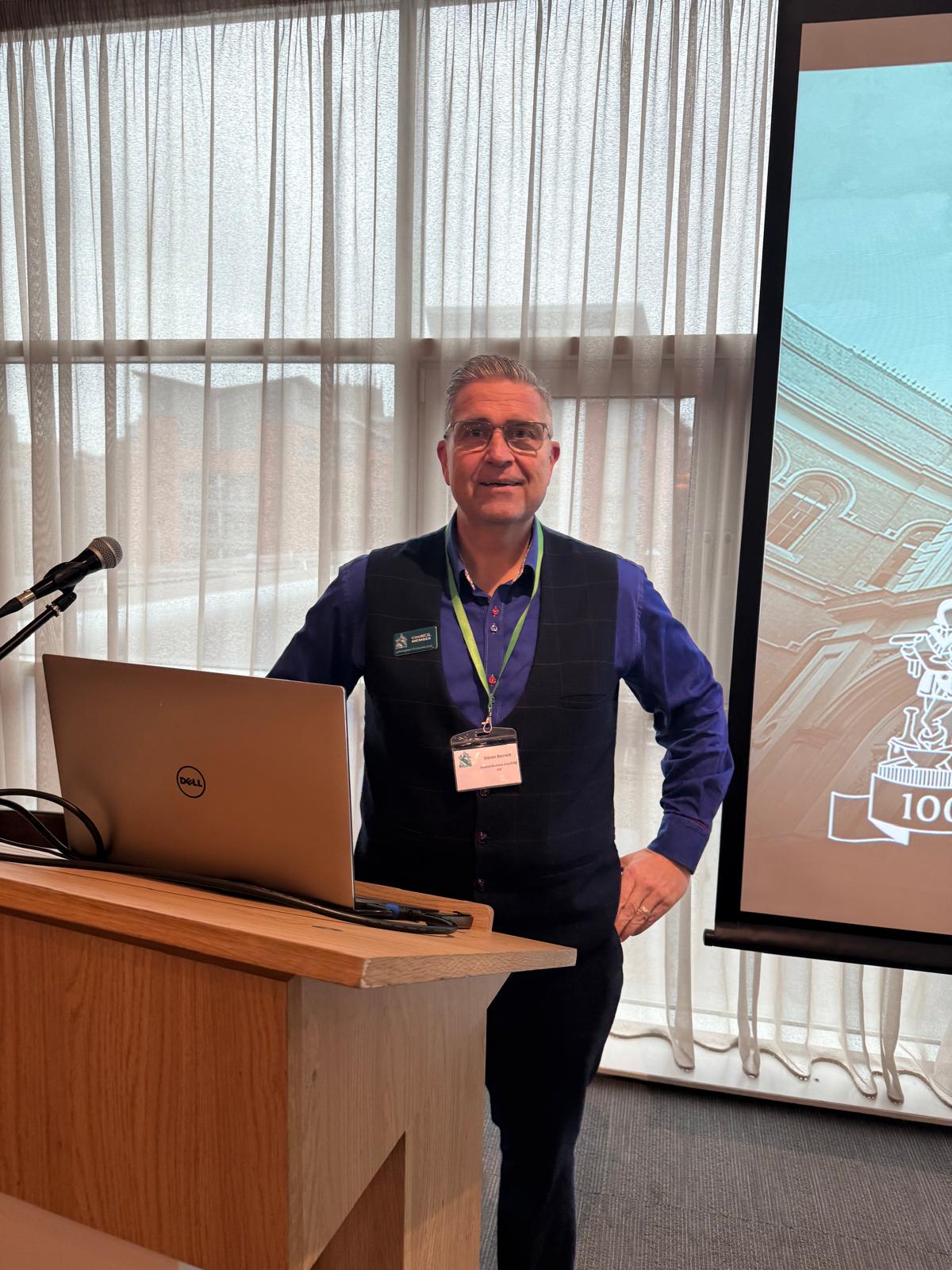
Motivational platitudes do not cure genuine exhaustion. Our founder, Steve Bennett, built and sold a business with a twenty million pound turnover, running on empty for years before hitting a wall of severe exhaustion himself. That lived experience shapes the coaching framework offered today.
Take the Free Life Audit

Trailblazer
Everything in Basecamp, but with added coaching modules to do at your own pace.
£100 one off fee



FREQUENTLY ASKED QUESTIONS
Is burnout a recognised mental illness?
No. The World Health Organization classifies it as an occupational phenomenon, though left untreated it can contribute to anxiety or depression.
How long does recovery from burnout take?
It depends on severity. Some people feel improvement within weeks of setting firm boundaries, while severe cases take months of structured recovery.
Coach or therapist, what’s the difference?
A therapist processes past trauma and can diagnose conditions. A coach builds practical structure for direction and sustainable performance now.
Can a company pay for this?
Yes. Many clients use professional development budgets, and Ascend also works directly with organisations from £1,000 per month.
The Life Audit takes ten minutes and shows exactly where the gap between outward success and internal exhaustion sits, so the next step is clear rather than guessed at.